When I first listened to Bad Bunny’s album, I could really feel the emotion in his voice: the regret, the love. When I translated the words, it felt like I was there in Puerto Rico with him.
His commentary on gentrification reminded me of coming back to Washington after being away for just one year. When I returned, I saw white faces in spaces that were once filled with Black people with thick D.C. accents. Gentrification and its long-lasting effect are something that Black people can relate to.


Afro-Latinos and Bad Bunny Go Together
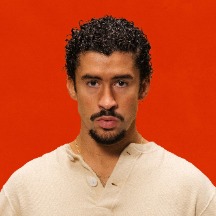
Bad Bunny’s latest, to me, was different from his other albums. Of course, I picked up on the Black influence in his rap songs, but I wasn’t expecting to recognize influence from the Black diaspora in an album that was advertised as a more traditional Puerto Rican sound. But that’s because of my own bias.
Before Bad Bunny, there was Celia Cruz, an Afro-Cuban salsa singer who sang about the challenges of being not just a woman, but a darker woman. With salsa, bachata, reggaeton, and bomba being heavily present in his album, I heard the influences from artists that looked more like me.
Read More
Before Bad Bunny, there was Celia Cruz, an Afro-Cuban salsa singer who sang about the challenges of being not just a woman, but a darker woman. With salsa, bachata, reggaeton, and bomba being heavily present in his album, I heard the influences from artists that looked more like me.
Read More


follow us on


Advertisers | Contact Us | Events | Links | Media Kit | Our Company | Payments Pier
Press Room | Print Cover Stories Archives | Electronic Issues and Talk Radio Archives | Writer's Guidelines